
Quick answer
The scraping, sanding, caulking, and priming that happens before paint ever goes on is what determines how long a paint job actually lasts. Skipping or rushing prep is the most common reason paint fails early — regardless of paint quality.
Most homeowners judge a paint job by the finished color. But the part that actually determines whether that color holds up — scraping, sanding, patching, caulking, priming — happens before a single coat goes on, and it's invisible once the job is done. It's also the step that gets cut first when a contractor is racing to finish a job quickly.
What Does Proper Prep Actually Include?
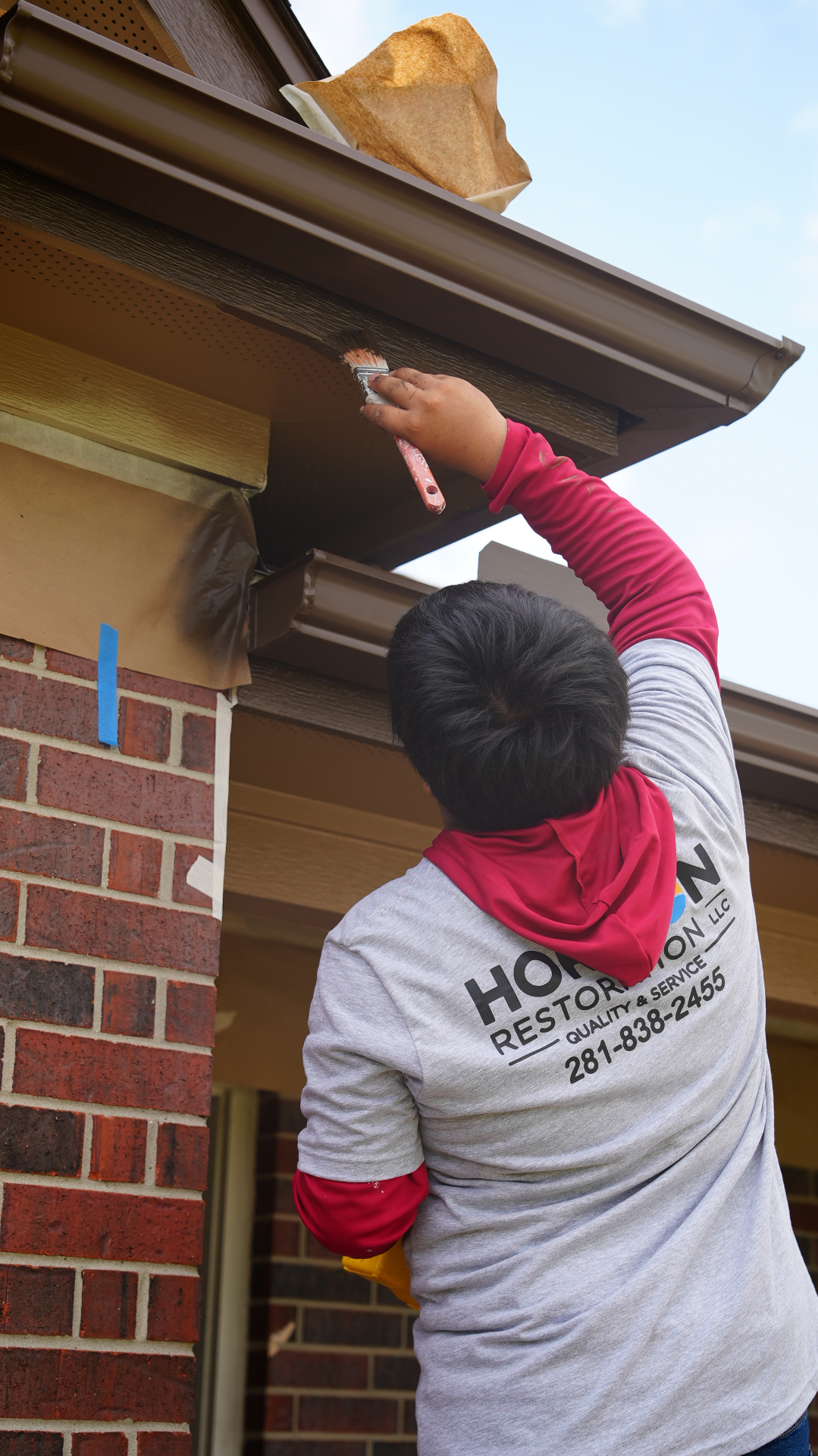
Prep work covers scraping loose or failing paint, sanding rough or glossy areas so new paint adheres, filling cracks and gaps with caulk, patching or replacing rotten wood, and priming bare or repaired spots before the topcoat goes on. Each step exists because paint manufacturers require a stable, clean surface for their product to perform as advertised.
Why Does Skipping Prep Cause Paint to Fail Faster?
Paint applied over loose old paint, unsanded glossy surfaces, or unpatched gaps doesn't have a stable base to bond to. It may look fine on day one, but it starts failing — peeling, cracking, bubbling — much sooner than paint applied to a properly prepped surface, often within a year or two instead of lasting close to a decade.
Does Prep Work Cost More?
It typically means more labor hours than a job that skips straight to painting, which is part of why lowball quotes often mean shortened or skipped prep. It's also the reason a properly prepped paint job costs less over time — you're not repainting again in two years.
What This Looks Like On Our Jobs
We spend more time on prep than most companies spend on an entire project. On a typical exterior job, that means a full wash, dry time, scraping and sanding every surface being painted, caulking gaps around trim and windows, spot-priming repairs, and only then starting on paint. It's slower up front. It's also the difference between a paint job that needs redoing in two years and one that still looks right in eight.
Frequently Asked Questions
How can I tell if a contractor is skipping prep?
Ask directly what their prep process includes before painting starts — scraping, sanding, caulking, priming. If the answer is vague or they say they'll “paint right over” the existing surface, that's a sign prep is being skipped.
Does more prep mean the job takes longer?
Yes, prep adds time to the front end of a project. But it shortens how often you need to repaint down the road, which usually saves money overall.
Is priming always necessary?
In most cases, yes — especially over repaired, bare, or previously unpainted surfaces. Skipping primer where it's needed is one of the most common shortcuts that leads to early paint failure.
Keep reading
Should You Pressure Wash Before Painting?
Prep starts with a clean surface. Here's why we wash every exterior before any scraping or priming begins.
Final Thoughts
A great-looking paint job and a long-lasting paint job aren't always the same thing on day one — the difference shows up in year two or three. If prep work isn't part of the conversation with a contractor, it's worth asking why. Request a quote and we'll walk you through exactly what prep looks like for your home.
Request a QuoteShawn Dyson | Published | Last Updated